
Food waste is a global problem that not only has significant environmental and economic implications, but also contributes to food insecurity. Approximately one-third of all food produced for human consumption is wasted or lost every year, equating to 1.3 billion tons of food.
One way households can combat this is through food preservation, using various techniques to extend the shelf life of food items, maintain their quality, and prevent spoilage.
Food Storage
Proper food storage is a crucial aspect of reducing food waste, as it ensures that food items maintain their quality, taste, and freshness for longer periods.
When food is stored correctly, it not only extends its shelf life but also helps prevent spoilage and contamination, ultimately minimizing waste.
Implementing smart food storage techniques can also help save money, reduce the environmental impact of food waste, and contribute to food security.
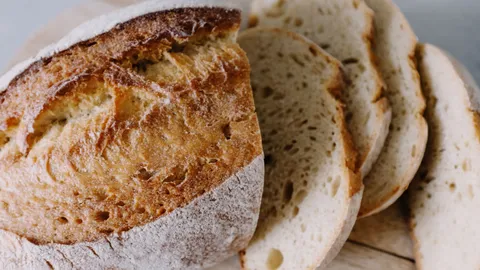
How to Keep Homemade Bread Fresh
Did you know 1/3 of all bread is wasted? Discover 6 unique methods to keep your homemade bread fresher for longer & stop your loaf ending up in the trash.
Last updated
Vacuum Sealing
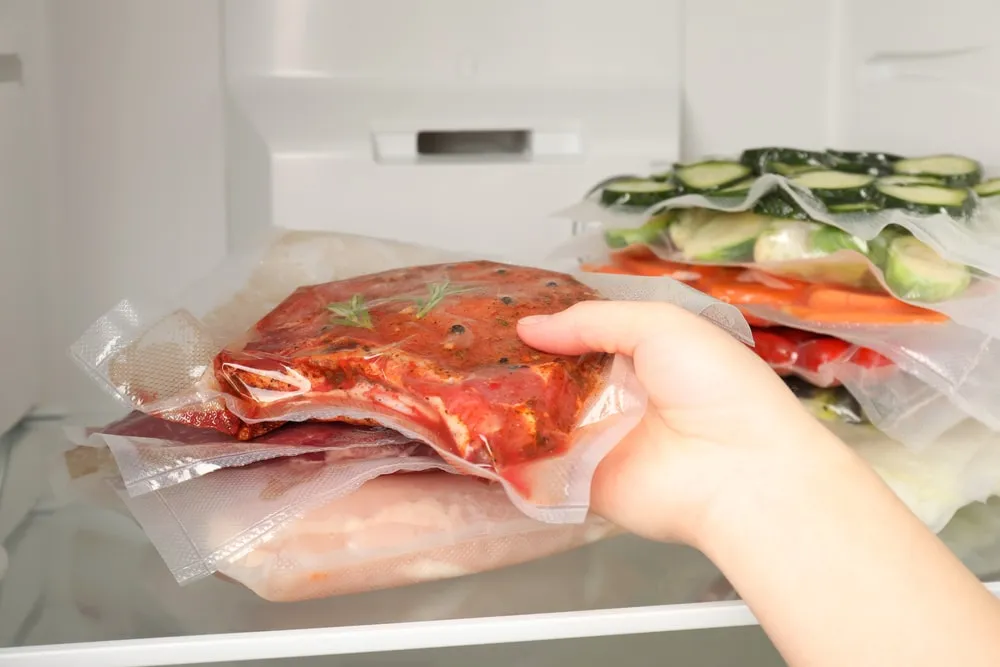
Vacuum sealing is a method of preserving food by removing the air from the packaging before sealing it. This process slows down the oxidation of food and inhibits the growth of aerobic bacteria and fungi, which require oxygen to survive.
Vacuum sealing is particularly effective in preserving perishable foods like meats, fish, and some fruits and vegetables. By vacuum packing food items, their shelf life can be significantly extended, often by several weeks or even months, depending on the type of food and storage conditions.
Vacuum-sealed foods should be stored in a cool, dark place or refrigerated to ensure maximum freshness.
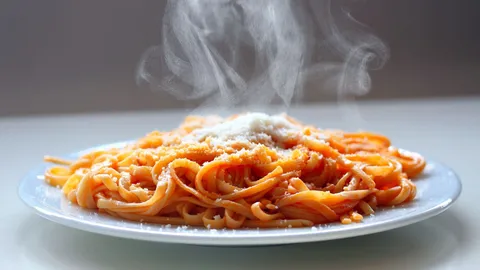
Can You Vacuum Seal Hot Food?
What's the best way to vacuum seal hot food & does it make the food last longer? Find out how to keep your cooked meals fresher for longer.
Last updated
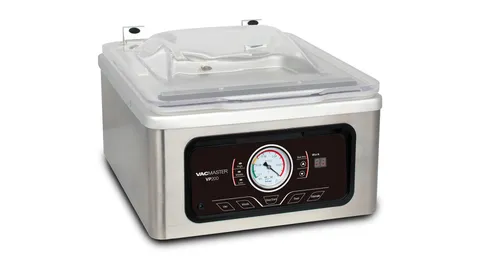
VacMaster VP200 Review
Is the VP200 the best way to own a chamber vacuum sealer for home users on a budget? Or have VacMaster made too many compromises?
Last updated
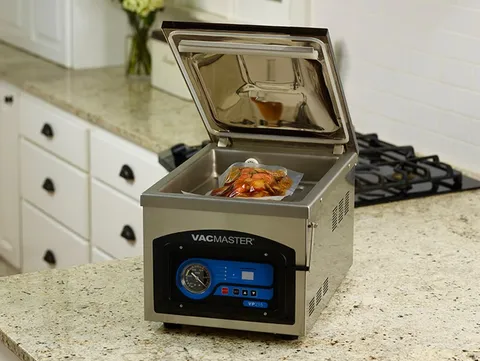
VacMaster VP215 Review
Find out what makes the VacMaster VP215 the best value, most powerful & reliable chamber vacuum sealer for home & light-commercial use.
Last updated
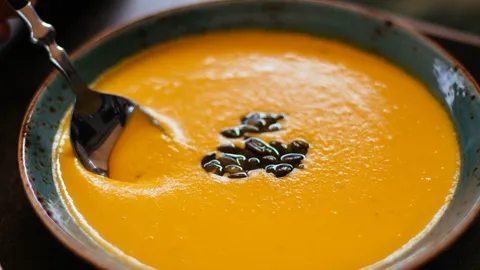
The Best Methods to Vacuum Seal Liquid, Wet Food, Soup & Marinades
Can You Safely Vacuum Seal Liquids? Find out which methods to use and which to avoid before trying to vacuum seal soup, marinade & wet foods.
Last updated
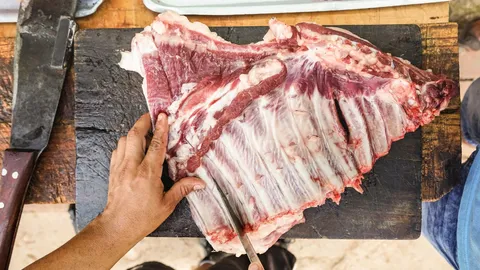
The Best Vacuum Sealers for Large Items
The best vacuum sealers that can handle the biggest cuts of meat, fish & game. Powerful enough to seal whatever you can fit in an extra large vacuum bag.
Last updated
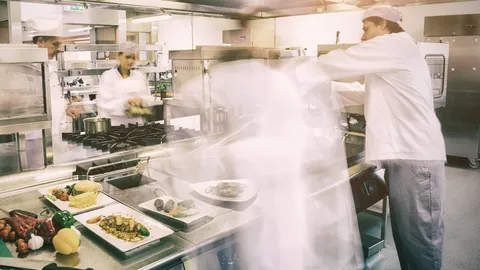
The Best Commercial Vacuum Sealers
Find out which vacuum sealers can withstand the fast-paced, high-volume requirements of a commercial kitchen or food service.
Last updated
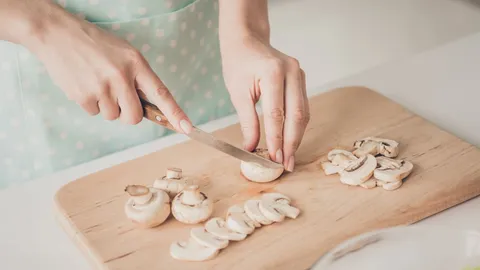
Is Vacuum Sealed Food Healthier?
Vacuum sealing is great for keeping food fresh for longer but is vacuum sealed food actually healthier than fresh food?
Last updated
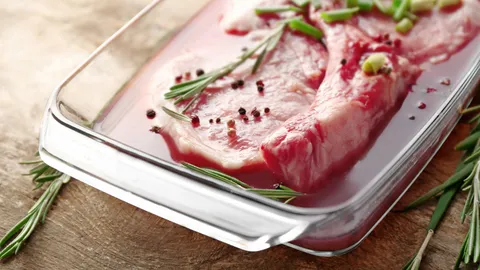
Does Meat Marinate Faster If It's Vacuum Sealed?
Does vacuum sealing really make meat marinate faster? See what the research found & discover the methods that actually speed up marinating.
Last updated
Canning
Canning is a method of preserving food by processing it in airtight containers, such as glass jars or cans, and heating them to kill any bacteria or enzymes that could cause spoilage.
This method helps to retain the taste, nutritional value, and texture of the food while extending its shelf life.
Canning is commonly used for preserving fruits, vegetables, meats, and fish. There are two primary canning methods: water bath canning, suitable for high-acid foods like fruits and tomatoes, and pressure canning, necessary for low-acid foods like vegetables and meats.
Pickling
Pickling is a method of preserving food by immersing it in a brine solution, which typically consists of water, salt, and vinegar. The acidic environment created by the brine inhibits the growth of bacteria, yeasts, and molds, allowing the food to be preserved for an extended period.
Pickling is commonly used for preserving vegetables, such as cucumbers, carrots, onions, and cauliflower, but can also be applied to fruits, meats, and fish.
In addition to extending the shelf life of the food, pickling can also impart unique flavors and textures to the preserved items. Some popular pickled foods include pickles, sauerkraut, and kimchi.